
Welcome to our resource hub, providing insights and practical tools to inspire coaches, teachers and parents to help improve children’s wellbeing together.

Viral Sky news article
Featured on Apple News as article of the week!
In this article we wrote for Sky News, we discuss 5 homeschooling tips, including core subjects and establishing routines.
Read on Sky NewsFeatured as Apple News article of the week
In this article we wrote for Sky News, we discuss 5 homeschooling tips!
The 5 different topics we cover are:
1. Plan and prioritise: The core subjects
2. Opening your new school
3. Fresh start: Establish routines
4. Tips on teaching core subjects
5. You can't pour from an empty cup
5 ways to keep your kids learning, happy and healthy
1. Plan and prioritise: The core subjects
If you're not a teacher by trade, give yourself some realistic goals - trying to conquer the whole curriculum is probably going to make you and your child anxious (especially if you're juggling your work and this new teaching role).
Prioritise the core curriculum - maths and English. We are firm believers that your best is enough.
There are lots of ways to cover the rest of the curriculum and you can get creative with these, for example, watching Horrible Histories or Blue Planet is a great way to cover some of the humanities. And don't worry, Ofsted won't be calling anytime soon.
You don't need to reinvent the wheel. There is an abundance of free online resources, as well as those that your child's school will probably send you.
Instead, prioritise and plan what you're going to cover, and do your best to execute your plan. Like any new job, the first few days will be about finding your feet.
2. Opening your new school
Welcome to your new school - make yourself at home! It's time for you to meet your new pupils.
We find that with the children we work with, starting with "why" is key. It helps the children understand the purpose of the task and enables them to understand why they're being asked to do it.
Each household's "why" will be different: it could be "because when we go back to school, we need to be up to date with the learning," but just make sure you don't use "because I said so, or you're grounded".
After starting with "why" we give the children an element of choice: we've found this to be a brilliant motivator. An immediate decision they could make is to give their new school a name and design its badge.
Then, once they've done this, you can begin to have a discussion with them about what's going to be included in the curriculum. Spoiler alert: it's primarily maths and English.
Include your children in the discussion around the different topics you cover and when you're going to do so.
Now you've managed to get your new class on board, it's time to set some school rules. This could include phone use, use of calculators, rules on talking over one another and reinforcing the "absolutely no children in the staff room" rule. Ever!
3. Fresh start: Establish routines
From our experience, children and adults react well to structure, especially a morning routine. Get out of your PJs and put on your new school uniform.
Try to design the learning schedule together and if possible, allocate a specific work space for your new class - their new classroom. This way they can primarily associate this space with their learning and will find it easier to switch off when in other areas of the house.
To try to maintain some links to their usual school experience, consider setting break and lunch times. You don't need to install a bell for this, but if you're feeling lavish, a whistle will suffice.
Make sure you take into consideration any of your work commitments that may affect this if you aim to align your work with their learning time.
There will be ample opportunity in the evening for some downtime and being firm on breaks will help to reinforce the value of learning time.
If you can co-ordinate this time with other "schools" (families), the children could regain some of the social elements by communicating with others and having some virtual playtime.
4. Tips on teaching core subjects
When you were at school, who was your favourite teacher? Remember them? Even if you can't, this is your opportunity to be THAT teacher. Try to see it from your child's perspective: this will shape a lot of your decision-making and allow you to optimise their learning experience.
Champion progress. Fortunately, your class is small. This is a great opportunity for your children to not have to compare themselves with their peers. Instead, they can focus on doing their best and beating their own scores.
A great way to monitor progress and understanding is by flipping the classroom dynamic. After you've covered a topic, swap over the pupil/teacher roles and get the children to teach you what they've learned.
This is another opportunity to give them choice: they can plan their lesson and teach it however they want. Additionally, if they use a computer to plan their lesson, without knowing it you're forging cross-curricular links. Look at you go! (No, you cannot have a pay rise).
A good teacher is reflective. Stubbornness is different to being firm. If things aren't working out, don't be harsh on yourself or your class.
Try it and then feel free to tweak down the line if need be. This is your opportunity to inspire your children and foster a love of learning.
5. You can't pour from an empty cup
As you will find out, teaching can be a stressful job. It's not the cliche eight-week-holiday dream that you were mis-sold by the careers adviser. Staff and pupil well-being is now in your hands.
The school canteen needs to have brain healthy foods where possible, such as fruit and veg, lots of water and avoid sugar.
Exercise is something we'd advise should take place early in the school day to get your class energised, but not fatigued. If they've forgotten their PE kit, don't be too harsh, just don't forget to bring this up at parents' evening.
A good teacher also leads by example, so remember to put plans in place to take care of your staff too. Take time to relax, have a varied and balanced diet and partake in physical exercise.
In the past, we have found journaling, meditation and breathing exercises all to be very useful for reducing stress.
These steps have really helped us to maximise our teaching ability and stay positive when times are tough. Remember: you can't pour from an empty cup.
It's the dream job you never expected. Stay positive, don't be too harsh on yourself or your class, and remember... your best will be enough.
Source SkyNews:
https://news.sky.com/story/coronavirus-homeschooling-five-ways-to-keep-your-kids-learning-happy-and-healthy-11959988?fbclid=IwAR0opYYJjd-NThyKwGCheCnD7CbJhI1Ci2R_jgkCds3-pFM7wzfPBSFE610
How we coach Ep 4: Accountable Leadership
In this episode of How We Coach, we talk about the different ways we strive to be accountable leaders.
“You must be interested in finding the best way, not in having your own way.”
- John Wooden
In this episode we talk about how we coach and the different ways we strive to be accountable leaders.
Ep 4: Accountable Leadership Episode Summary
Why:
- Accounting the blame to anything but ourselves.
- Always looking to shift the blame elsewhere
- Never critically reflecting on how we could have improved.
How:
We define accountable Leadership as assessing our part in the problem and then finding the best possible solution.
- Instead of blaming others, we took ownership of the problems we faced.
1) Take accountability: It’s not the ref’s fault.
- We started using training sessions to play out a match situation where we told the children that we would purposely be making some random decisions as some officials might.
2) Lead by Example: Children copy actions
- If we want our children to show fair play, we demonstrate it ourselves.
3) Part of the problem: Am I complicit?
- If players turn up late, instead of saying: “Oh, not to worry”…
- We say: “We should always aim to be here on time, so we can make the most of our session”.
4) Reduction of our egos: We must aim to find the best way for the team, not our own way.
- Avoid the ‘disease of me’! Ask for feedback and be ready to implement it!
5) What you can and can't control.
- We can’t control external events, but we can control our responses to them.
- We can’t control the weather, but we can control how we prepare for it.
6) Plan, coach & reflect ♻️
- Plan: detail timings, equipment and key coaching points.
- Coach: deliver the session, keeping to timings and making relevant changes where necessary.
- Reflect: record honest thoughts on the session (which impacts your next plan).
7) Prioritisation
- “What is the ONE Thing you can do, such that by doing it, everything else will be easier or unnecessary?” - Gary Kelly
- E.g. Using a team building game to improve:
Keeping calm under pressure
Using positive communication
Working together as a team
9) Culture of leadership (Choose your captain wisely)
- The captain you choose helps communicate your messages when you’re not there.
- Instead of choosing someone who is the most technically skilled, we choose a captain who leads by example with our messages.
10) Balance: we must aim to maintain balance when being accountable leaders.
• We Take accountability whilst empowering others.
• We lead by example whilst being realistic with our expectations.
• We remain firm but maintain flexibility where appropriate.
• We reduce our egos, without becoming passive.
• We control what we can but don’t get too hung up on the result.
• We reflect, but avoid dwelling on mistakes.
• Choose our leaders wisely and allow for mistakes.
Outcomes
- Now we’ve made the change to be accountable leaders, we find that we are much more able to effectively prepare our teams.
- It’s helped us to prepare for situations we know we can control.
- Best of all, we now see the children leading by example and being more accountable of their own actions.
———
Resources:
📚 Ego is the Enemy by Ryan Holiday
📚 One thing Gary Kelly
📚 Damian Hughes: Barcelona Way
📚 Jocko Willink and Laif Babin: The Dichotomy of Leadership
📚 John Wooden: Leadership
📚 Dale Carnegie: How to Win Friends aip’
📚 CAROL DWECK: Mindset
Set Gear:
📹 Camera
💻 Laptop
Producer:
How we coach Ep 3: APES Coaching Drills
In this episode of How We Coach, we talk about using APES coaching drills.
We want to improve the quality of our coaching drills - what do we do?
In this episode we talk about how we coach using APES coaching drills.
We have to credit this episode’s acronym to the RFU.
‘APES’ stands for: Active | Purposeful | Enjoyable | Safe.
Ep 3: APES Coaching Drills Episode Summary
Why:
- Children disengaged and misbehaving wasting valuable coaching time!
- Bad atmosphere for both the children and us as coaches.
- Repetition of the dreaded line “When can we play a match?”
How:
We have to credit this episode’s acronym to the RFU - ‘APES’ stands for: Active | Purposeful | Enjoyable | Safe.
1) Active
Design the environment to maximise positive behaviour and minimise negative behaviour.
- Use lots of mini games instead of one big one.
- Have spare balls by the edge of the drill. This enables the drill to restart quickly if a ball goes off, maximising activity.
- Set up any equipment ahead of the children arriving.
- Design drills where children keep moving and are engaged with time challenges.
2) Purposeful
Ask 2 key questions:
- Is this drill appropriate for their skillset?
- Will this drill help us in future matches?
E.G: Once players are competent passers of the ball, we add in a defender to the drill to make it more match-like.
However, we sometimes make things purposefully harder.
- E.g. “Well, if you can touch and pass in an area this small, it will make the match seem much easier.”
For soft skills we change the game.
- E.g. To increase communication and teamwork in our tag rugby teams, we got them to talk and pass by playing mini-netball matches (where you can’t run with a ball).
3) Enjoyable
We try and make it enjoyable too.
- Don’t let drills drag on for too long or repeat the same ones week-on-week. At least add new rules!
- Extrinsic vs Intrinsic Motivation: Intrinsic motivation comes from within the individual.
- E.g. Using personalised scoring systems in our drills that individuals or groups try to then improve on - instead of against other groups.
✅ Intrinsic motivation is the more sustainable incentive for children in the long term.
- Try and balance the challenge perfectly in line with the individual’s skill level and slightly above.
Extrinsic motivation means that there is a reward at the end of the drill, like stickers or a certificate.
- Extrinsic motivators works when intrinsic is not available.
- E.g. At the end of the season or when the children are tired.
- This is basic conditioning by dangling a carrot for children with challenges and rewards.
- No ‘running laps’ punishment! Instead reward their success.
- E.g. The coaches will have to do something amusing like do a funny dance move.
- Other extrinsic rewards we have used before include certificates, stickers and trophies (be careful what you reward!)
4) Safe
This is always our no. 1 priority as coaches.
- The ground you are standing on: is it icy? Are there holes? Is the area clear?
- Check the Weather.
- E.g. How many drinks breaks will the children need? How physically demanding will the drills be? How long will you run each drill for?
- Check that equipment is ready for use.
- E.g. We check that the goals are secured in the ground properly before we begin.
- Establish certain rules but explain WHY.
- E.g. “Today we are not lifting our hockey sticks above waist height, because we are new to the sport and we’ve seen people get hurt in previous years without this rule.”
- High ratio of coaches to children. Having more adults enables more supervision and support with anything should there be an issue.
- Focus on body positioning.
- E.g. Make sure we can always see all the children under our supervision.
Outcomes
- Now we’re using APES Coaching drills, we find that the children are more excited to attend coaching sessions!
- Much more often we make the most of our time with children who in turn improve their physical condition “match fit”.
- We barely hear the children ask “When can we play a match?”
———
Resources:
📚 Dale Carnegie: HTWFAIP
📚 Richard Ryan and Edward Deci.
📚 John Wooden: Leadership
📚 Bill: The Score takes care of itself
📚 Simon Sinek : Start with Why
Set Gear:
📹 Camera
💻 Laptop
Producer:

Homeschooling FAQs
In this blog post, we answer 4 questions that have been put to us by parents who are homeschooling during the lockdown.
In this blog post, we answer 4 questions that have been put to us by parents who are homeschooling during the lockdown. They are:
1. Where can I find additional help with Maths and English?
2. Are there any resources that will enable my child to learn independently?
3. How can I keep my older children on task?
4. What should my main focus be when homeschooling?
Where can I find additional help with Maths and English?
We advocate the use of both BiteSize and Oak National Academy. For maths in particular, Khan Academy is also worth checking out. These online lessons allow children to feel like they are back at school being led by a teacher with the bonus of being able to learn at their own pace.
The majority of schools are setting work for their pupils remotely, but for children struggling to understand key concepts it’s useful to be able to search for specific help.
Are there any resources that will enable my child to learn independently?
There are some brilliant educational YouTube channels that as teachers, we utilised in schools to keep kids engaged. Examples of these are: Crash Course, National Geographic and SoulPancake.
Towards the end of the day, lots of children have been enjoying free audiobooks from Audible which are read out by professional narrators. Your child might be missing the wide range of literature they have available at school, but Audible offers the solution.
How can I keep my older children on task?
We suggest that you mutually agree on deadlines ahead of time. After the agreed time, you can return to check in with them and ask a variety of questions, such as: “What did you find interesting?”, “What have you learned?” and “What did you find challenging?”
To keep morale up we suggest using collective language such as ‘we’, ‘us’ and ‘together’ when discussing homeschooling. For example, "How can we create the right conditions to learn at our best this week?"
What should my main focus be when homeschooling?
When we teach we repeat the same key messages encouraging children to ‘do their best’. Not all children love school, but during this period, all children have the chance to love learning. Your child won’t have to worry about the lessons being too fast-paced for them, directly comparing themselves to their peers or even having anxiety around exams or tests. They can just focus on being better than they were yesterday.
Our classroom experience has shown us the importance of reflection. Reflecting is equally important for both teacher and pupil. To do this, we suggest at the end of each week you have this discussion with your child answering the questions, “What went well?”, “What didn’t work?” and “What would we like to do next week?”
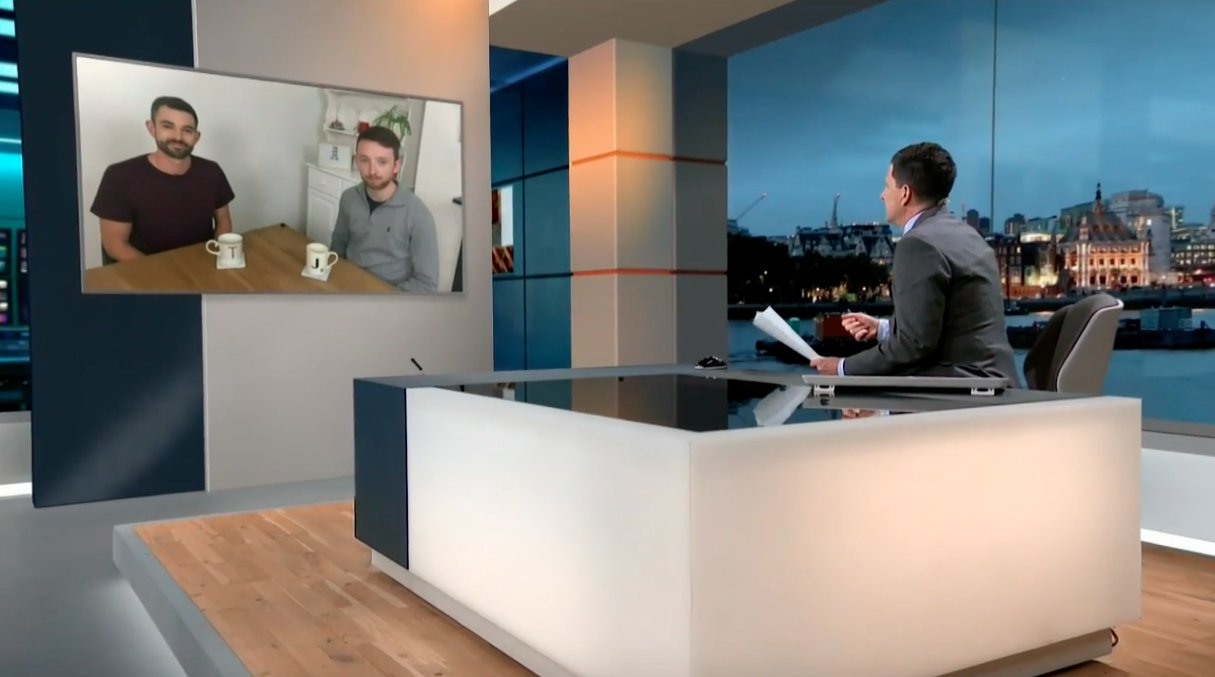
ITV News Live interview
In this interview we fielded some questions from parents about homeschooling and wellbeing live on ITV News.
We fielded some questions from parents live on ITV News!
Key points included:
- Reflection: what approaches are working, what approaches aren’t working and what needs changing?
- Planning: how can we utilise planning and scheduling to make sure we get the most out of the day?
- Winning the morning: we find getting off to a good start can make all the difference to having a good day and getting some positive momentum going.
- Focusing on me: we find that comparisons can actually be detrimental to confidence and progress. By doing our best and concentrating on what we can control, we find development and growth come a lot easier!

Free online learning
In this blog post, we share some FREE, ‘Tom & Jack approved’ resources that are out there to use!
In this blog post, we share some FREE, ‘Tom & Jack approved’ resources that are out there to use!
Ranging from Maths and English to Science and PSHE, these resources can act as good supporting material to what has already been provided by your child’s school.
Crash Course Kids
On YouTube they teach Free lessons - also check out our favourite higher education videos - also by Crash Course
Twinkl
Enter the code CVDTWINKLHELPS here: Free lesson resources - we swore by Twinkl when we were teaching! They have a wealth of amazing resources for most subjects.
Audible
Hundreds of free audiobooks for homeschooling: Free audiobooks - access to 1000s of amazing books from the comfort of your own home!
Free Magazines!
A massive thank you to Hounslow Education Partnership who have forwarded this amazing offer to us!
HEP in partnership with Readly, the UK's premium online magazine app, is offering all teachers, parents, carers and pupils free unlimited access for 2 months as a thank you for all your hard work and support over the recent weeks. You can access this offer here.
Hounslow Education Partnership
The team at HEP have put together a brilliant ‘subject by subject’ page where they have pooled lots of brilliant resources together in an easy and accessible format. You can find it here.
More…
Geography: National Geographic Kids
Science: SciShow
PSHE: SoulPancake
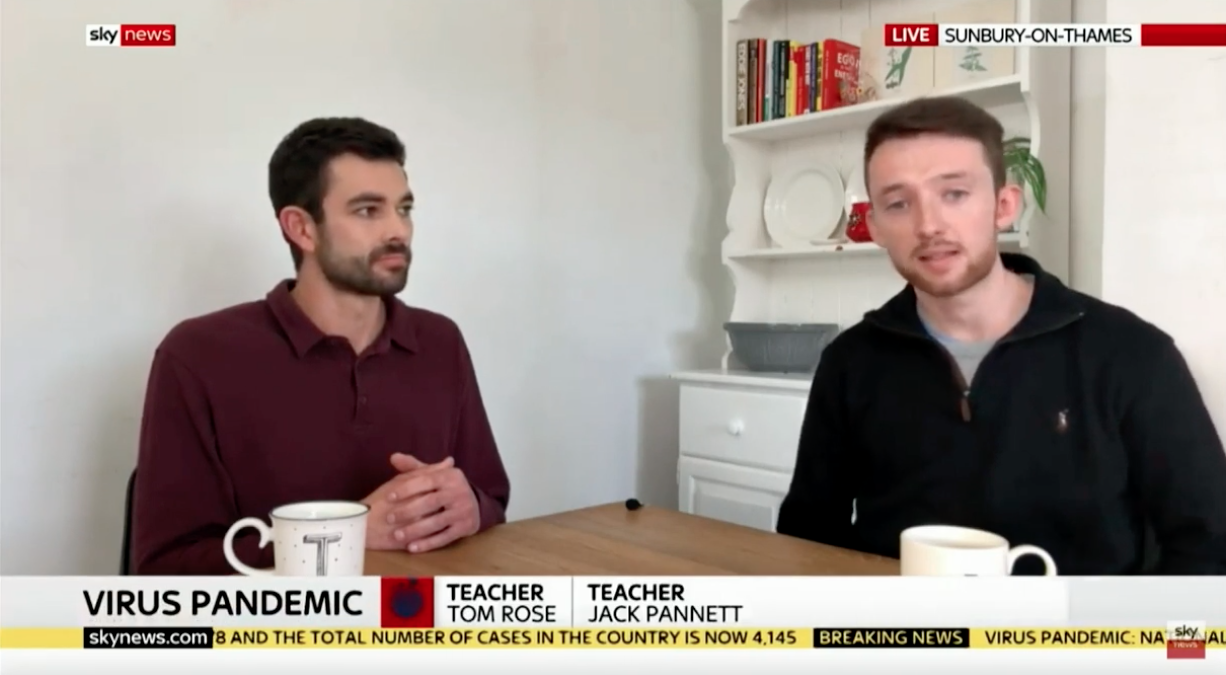
Sky News Live interview
In this interview we fielded some questions from parents about homeschooling and wellbeing live on Sky News.
We fielded some questions from parents today live on Sky News
Key points included:
- Making this weekend count!
- Keep lessons to 45/60mins broken up with movement breaks!
- Designate specific learning spaces!
- Prepare a structure and give children choice!
ITV News Live interview
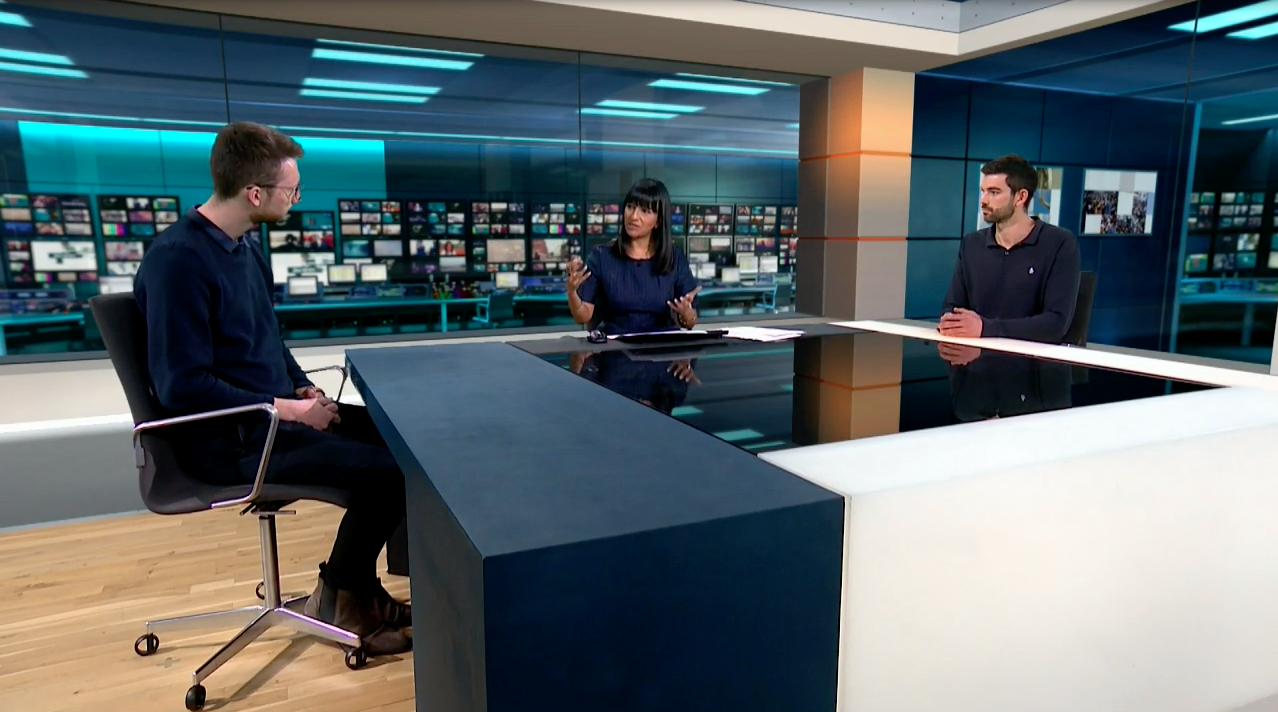
In this interview we fielded some questions from parents about homeschooling and wellbeing live on ITV News.
We fielded some questions from parents live on ITV News
Key points included:
- Keep lessons to 45/60mins broken up with movement breaks.
- Designate specific learning spaces.
- Be creative / get outside and use creative tasks like art to break things up.
- Prepare a structure and give children choice.
How we coach Ep 2: Behaviour Management
In this episode of How We Coach, we discuss behaviour management.
The kids are misbehaving - what do we do?
This is an alternative approach for most coaches, teachers and parents...
In this episode we talk about how we coach using behaviour management advice from Bill Rogers and many more.
Ep 2: Behaviour Management Episode Summary
Why:
- Before using our ‘PACT’ struggled to deliver sessions because of frequent interruptions and other behaviour issues.
- Ineffective behaviour management, and wasted coaching time!
- Bad atmosphere for both the children and us as coaches.
How:
‘PACT’ = Proactivity | Acknowledgement | Consequences | Transition
1: Proactivity
- Design the environment to maximise positive behaviour and minimise negative behaviour.
- Signed agreement outlining your expectations.
- Prep activity ready for them to begin (even if they’re early) which works works well regardless of numbers.
- No sun in eyes, clear of distractions behind you and with no equipment.
- Play ‘Copy me’ game to get their attention before talking.
- Start with WHY & keep it brief
🚫Instead of saying “We are practising shooting today” or “because I said so”
✅Say “We are practising shooting today to help us on our mission to play at our best.”
Reduce unnecessary surprises.
- “We have 2 more minutes of this game left.”
Especially effective when coaching children who are living with autism.
2: Acknowledgement
DESCRIBE and DIRECT. We direct attention our way:
- “Focus in everyone”, “Eyes and ears this way thanks”.
- “Wow, so many of us are looking in and showing me that they are listening - this is what we need to make the most of our time today”.
- “One of us is still fiddling around with equipment, we need everyone looking in, thanks”.
‘Tactically ignoring’ disruptive behaviour
- “We’ve got some good hands up and because of that I’m going to ask you.” (When one child is calling out, while another has put their hand up).
Give children a fine reputation to live up to.
E.g. “We think that you could make a good leader because people like to listen to you and. Now it is important to lead by example and work with the coaches to make this happen.” (When you have a particularly talkative child).
3: Consequences
If children don’t respond to phases 1 and 2.
Our consequence system can be broken down into three parts:
A verbal warning
A yellow card
And finally a red card.
- We give a verbal warning to children who persistently disrupt the session or repeatedly ignore instructions.
- If the negative behaviour continues, we then give children a yellow card. When this happens the child misses 5 minutes from the training session.
- Our last resort is a red card. When this happens we will have a conversation with the child’s parent or carer and work together to put things in place to ensure that this behaviour changes.
Give children choices.
- “You have a choice here:
You can either keep calling out and receive a yellow card
Or…
Listen when coaches are speaking and continue to play the game with everyone else.”
- Stay as calm as possible.
- Their behaviour is in their control.
4: Transition
After consequences have been used, we aim to TRANSITION back to their positive behaviour.
Repair rapport, ensure their safety and that you care.
- E.g. “Is there anything we can do to help you?” And “How can we support you to get back to your best?”
Show consideration for their lives outside of sport too. Things may affect their behaviour include:
- Their personal lives,
- The day they’ve had
- Issues as basic as whether they’ve had enough food or water that day.
We can’t control the children’s behaviour, but we can control how we react to it.
John Wooden - ‘You might not like all of your players, but you must love them all the same.’
⚠️ Follow safeguarding procedures if we see any worrying concerns.
Outcomes
- Children listen to us and are motivated to do the right thing, more often than not.
- More time to help children to do their best in our sessions.
- The general mood of the session also stays positive and upbeat.
———
Resources:
📚 Bill Rogers, Classroom Behaviour
📚Dale Carnegie: How to Win Friends and Influence People
Set Gear:
📹 Camera
💻 Laptop
Producer:
How we coach Ep 1: Effective Feedback
In this episode of How We Coach, we talk about how we give effective feedback.
“A coach is someone who can give correction without causing resentment”
John Wooden
But this is easier said than done... In this episode we talk about how we coach with effective feedback.
Ep 1: Effective Feedback Episode Summary
Why:
- Low morale.
- Loud rhetorical questions publicly shame teammates.
- Some children don’t understand the purpose that feedback serves.
How:
1: Explain your feedback rules
- Explain to the children what the point of feedback is.
- We define effective feedback as: “giving advice without causing upset”.
- Anyone can give feedback, but it has to be effective, or it’s better not said.
2: Praise
- Use specific praise where possible.
E.g.
“You really marked your opponent well in that quarter, which made it hard for them to find space.”
- Try not to praise outcomes.
E.g. 🚫 “Good goal”
- Instead, praise the process
Eg. ✅ “That was a great shot because you aimed for the corner of the goal.”
- Create a ‘safe to fail’ environment
“I’m glad we made that mistake, because now we’ve all learned that lesson together, which makes us ready for the next game.”
3: Criticism
- Framing criticism - start with a compliment.
E.g. “Your movement has been superb today, now let’s put our hands up and call for the ball so that our teammates are more confident to pass to you.”
- Use AND instead of BUT
E.g. “You have passed the ball well, using the instep of your foot AND now let's use the same technique when you are tackling.”
- Learn from my mistake - tell a story about how you personally overcame a similar obstacle when we were younger.
E.g. “I remember when I dropped a catch at your age, I was able to catch the next chance because we had imagined the feeling of the next ball going into our hands.”
Outcomes
- Children are more likely to welcome criticism.
- Morale is increased.
- Children are more willing to take chances.
———
Resources:
📚Dale Carnegie: How to Win Friends and Influence People
Set gear:
📹 Camera
💻 Laptop
Producer: